

Dry and damaged hair is one of the most common hair concerns affecting people of all ages. Hair that feels brittle, rough, or lifeless often results from a combination of environmental stress, heat styling, chemical treatments, and poor hair care habits.
Healthy hair should feel soft, elastic, and smooth. When the hair cuticle becomes damaged, moisture escapes easily, leaving strands dull, fragile, and prone to breakage.
The good news is that with the right hair care routine, it is possible to repair damage, restore moisture, and improve overall hair health.
In this complete guide, you will learn:
- What causes dry and damaged hair
- The best hair care routine for repairing damaged hair
- The most effective natural remedies for restoring moisture
- Professional tips to prevent further damage
Understanding Dry and Damaged Hair
Hair is made primarily of keratin, a structural protein that forms the hair shaft. Each strand is protected by a layer called the cuticle, which acts like tiny overlapping scales.
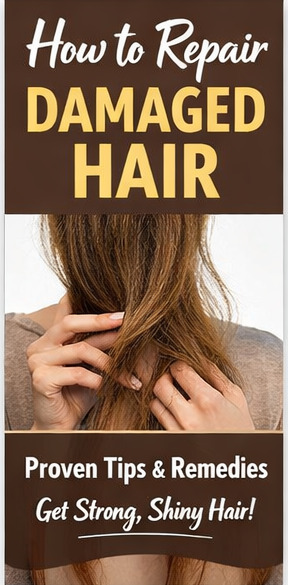
When hair becomes damaged, the cuticle lifts or breaks. This allows moisture to escape and makes hair more vulnerable to further damage.
Common signs of dry and damaged hair include:
- rough texture
- split ends
- frizz
- dull appearance
- excessive tangling
- breakage
Restoring hair health requires focusing on hydration, nourishment, and protection.
Common Causes of Dry and Damaged Hair
Understanding the causes of hair damage helps prevent future problems.
1. Excessive Heat Styling
Frequent use of hot tools such as:
- flat irons
- curling irons
- blow dryers
can strip moisture from the hair and weaken its structure.
Heat damages the protective cuticle layer, causing dryness and breakage.
2. Chemical Treatments
Chemical services such as:
- hair coloring
- bleaching
- perming
- relaxing
alter the internal structure of the hair shaft. While these treatments can create beautiful results, frequent chemical processing can significantly weaken hair.
3. Environmental Damage
Environmental factors also contribute to dry hair.
These include:
- sun exposure
- pollution
- wind
- hard water
UV radiation in particular can degrade hair proteins and cause color fading.
4. Overwashing (We often do sometimes)
Washing hair too frequently removes natural oils produced by the scalp.
These oils help keep hair moisturized and protected.
5. Poor Nutrition
Hair health depends on proper nutrition. Deficiencies in certain nutrients can lead to weak, brittle hair.
Important nutrients for healthy hair include:
- protein
- omega-3 fatty acids
- iron
- zinc
- vitamins A, C, and E
The Ideal Hair Care Routine for Dry and Damaged Hair
A consistent routine is essential for restoring moisture and strength.
Below is a simple but highly effective routine recommended by hair specialists.

Step 1: Choose a Moisturizing Shampoo
The foundation of any hair care routine begins with the right shampoo.
Look for shampoos labeled:
- hydrating
- repairing
- moisturizing
These formulas typically contain ingredients that help replenish moisture.
Beneficial ingredients include
- argan oil
- coconut oil
- shea butter
- aloe vera
- glycerin
Avoid shampoos containing harsh sulfates that can strip natural oils from the hair.
Washing frequency
For dry hair, washing 2–3 times per week is usually ideal.
Step 2: Always Use Conditioner
Conditioner plays a crucial role in restoring moisture and smoothing the hair cuticle.
After shampooing:
- Apply conditioner to mid-lengths and ends
- Leave it on for 2–3 minutes
- Rinse thoroughly with cool or lukewarm water
Conditioners help reduce friction, making hair easier to detangle.
Step 3: Apply a Weekly Deep Conditioning Treatment
Deep conditioning treatments deliver intense hydration to dry hair.
These treatments penetrate the hair shaft more deeply than regular conditioners.
Recommended ingredients
- keratin proteins
- argan oil
- avocado oil
- shea butter
Apply a deep conditioning mask once or twice per week.
Leave the treatment on for 15–30 minutes for maximum benefit.
Step 4: Use Leave-In Conditioner
Leave-in conditioners provide ongoing moisture and protection throughout the day.
Benefits include:
- improved manageability
- reduced frizz
- protection from environmental damage
Apply a small amount to damp hair before styling.
Step 5: Limit Heat Styling
Heat styling tools can worsen hair damage.
If you must use them:
- apply heat protectant products
- use the lowest temperature possible
- avoid daily heat styling
Allowing hair to air dry whenever possible significantly reduces damage.
Step 6: Use Natural Oils to Restore Moisture
Hair oils are one of the most effective ways to repair dryness.
Popular oils for damaged hair
Coconut oil
Helps reduce protein loss from hair strands.
Argan oil
Rich in vitamin E and antioxidants that restore shine.
Olive oil
Deeply moisturizing and helps smooth the hair cuticle.
Castor oil
Supports scalp health and hair thickness.
Apply oil to the hair ends or use it as a weekly treatment.
Step 7: Be Gentle When Brushing
Damaged hair is more fragile and prone to breakage.
Follow these brushing tips:
- use a wide-tooth comb
- detangle hair when slightly damp
- start from the ends and work upward
Avoid aggressive brushing, especially when hair is wet.
Step 8: Trim Hair Regularly
Split ends travel upward along the hair shaft, causing more damage over time.
Regular trims help maintain healthy hair.
Experts recommend trimming hair every 8–10 weeks.
Step 9: Protect Hair While Sleeping
Nighttime friction can contribute to dryness and breakage.
Protect hair by:
- using silk or satin pillowcases
- loosely braiding hair before bed
- wearing a silk hair bonnet
These methods reduce friction and preserve moisture.
Step 10: Stay Hydrated and Eat a Balanced Diet
Internal hydration is just as important as external care.
Drink adequate water and include nutrient-rich foods in your diet.
Hair-friendly foods include:
- salmon
- eggs
- nuts
- leafy greens
- berries
These foods supply essential vitamins and minerals that support healthy hair growth.
Natural Hair Masks for Dry Hair
Homemade hair masks can provide deep nourishment using natural ingredients.
Avocado and Olive Oil Mask
Avocados contain healthy fats that moisturize hair.
Ingredients
- 1 ripe avocado
- 2 tablespoons olive oil
Blend ingredients and apply to damp hair. Leave for 20 minutes, then rinse thoroughly.
Honey and Yogurt Mask
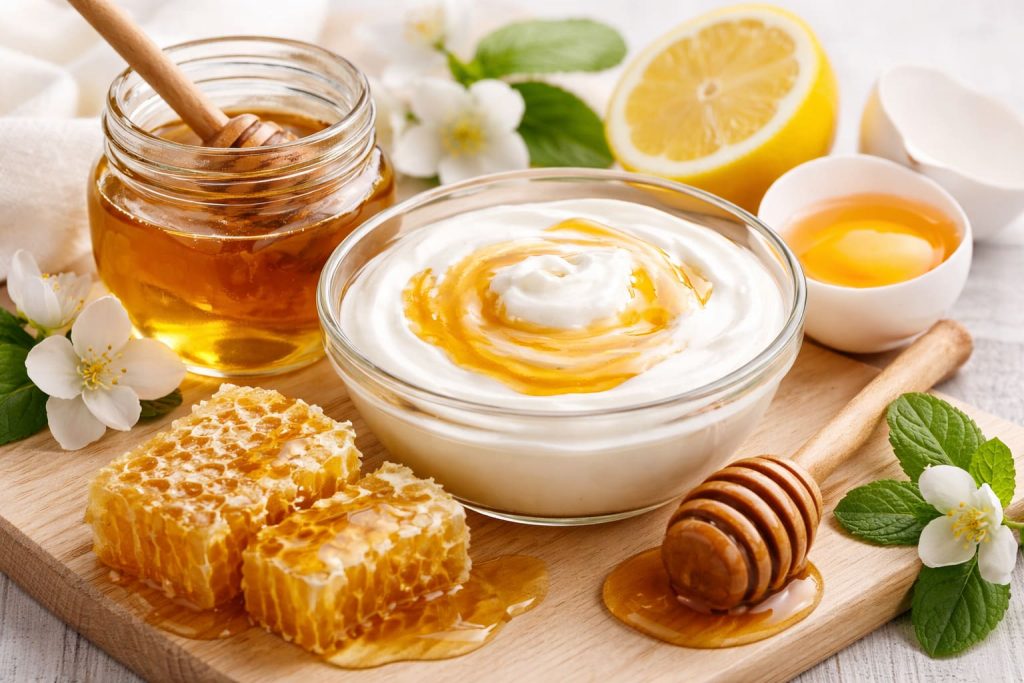
Honey is a natural humectant that attracts moisture.
Ingredients
- 2 tablespoons honey
- ½ cup yogurt
Apply the mixture to hair and leave for 20 minutes before rinsing.
Egg and Coconut Oil Mask
Eggs contain protein that strengthens hair.
Ingredients
- 1 egg
- 2 tablespoons coconut oil
Mix thoroughly and apply to hair for 15–20 minutes.
Lifestyle Habits That Improve Hair Health
Healthy hair requires more than good products.
Adopting positive lifestyle habits can significantly improve hair condition.
Reduce Stress
Chronic stress can negatively affect hair growth cycles.
Stress-management techniques include:
- yoga
- meditation
- regular exercise
Protect Hair From Sun Exposure
Prolonged sun exposure can damage hair proteins.
Protect hair by:
- wearing hats
- using UV-protectant hair products
Avoid Tight Hairstyles
Tight styles such as buns and ponytails can cause hair breakage.
Choose looser hairstyles whenever possible.
Expert Advice from Dr. Natalie Harper
In my two decades working in hair health, I have seen many people struggle with dry and damaged hair due to overly aggressive styling and chemical treatments.
The key to restoring hair health is patience and consistency.
Hair cannot repair itself overnight. However, when you provide the right nutrients, moisture, and protection, your hair gradually regains strength and shine.
Most individuals notice significant improvement within 8–12 weeks of following a proper hair care routine.
Frequently Asked Questions
How long does it take to repair damaged hair?
Visible improvements can appear within 4–8 weeks, but complete recovery may take several months depending on the level of damage.
Is it possible to completely repair damaged hair?
While severely damaged hair cannot fully regenerate, proper care can significantly improve its appearance and strength.
Should dry hair be washed less often?
Yes. Washing hair 2–3 times per week helps preserve natural oils that keep hair hydrated.
Final Thoughts
Dry and damaged hair can be frustrating, but it is often reversible with the right approach.
By following a consistent hair care routine that focuses on hydration, nourishment, and protection, you can restore the health and beauty of your hair.
Remember that healthy hair is built through daily habits, proper nutrition, and gentle care.
With patience and consistency, your hair can regain its natural softness, shine, and strength.
