

Healthy, natural hair is not just about appearance—it’s a reflection of scalp health, lifestyle choices, and consistent care. After working with thousands of clients over the past two decades, one thing has become very clear: great hair doesn’t happen by accident; it’s the result of the right habits and products used consistently.
For men and women between the ages of 15 and 40, hair care routines often get overlooked due to busy schedules, stress, and exposure to styling tools or chemicals. However, maintaining strong, vibrant hair doesn’t require complicated routines. With the right knowledge and a few strategic changes, anyone can improve the health of their hair.
This guide will walk you through expert-backed hair care tips to help you achieve natural, healthy, and resilient hair.
Understanding Your Hair and Scalp
It helps to understand your scalp and it’s health first. Afterall, you cannot have a healthy hair without a healthy scalp. So let’s try to understand more about your scalp.
Why Hair Health Starts at the Scalp
Many people focus only on hair strands, but healthy hair always begins with a healthy scalp. The scalp is living skin that contains hair follicles responsible for producing hair.
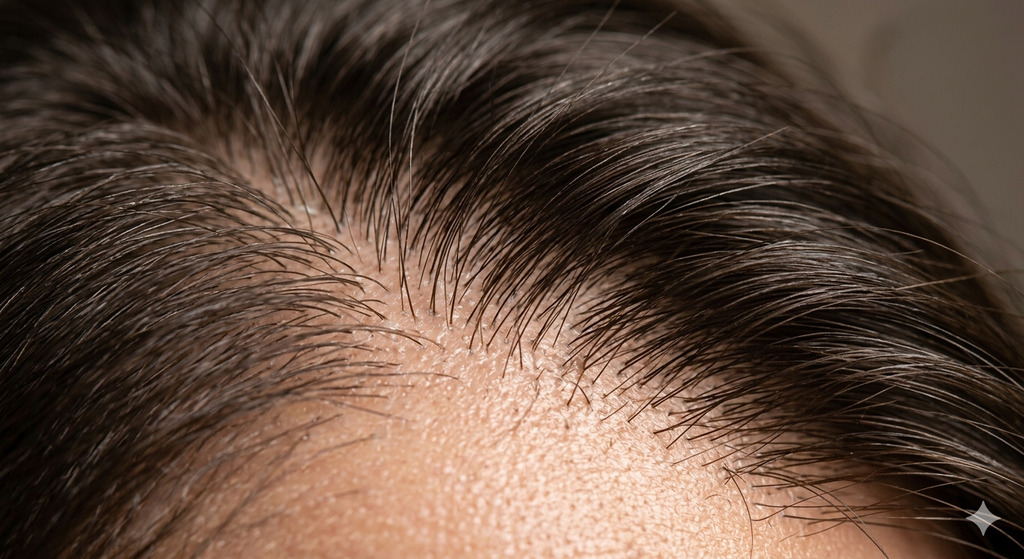
When the scalp becomes clogged with oil, product buildup, or dead skin cells, it can lead to issues such as:
- Hair thinning
- Dandruff
- Slow hair growth
- Weak strands
Maintaining a clean and balanced scalp environment helps hair grow stronger and reduces breakage.
Expert Hair Care Tip
Think of your scalp the same way you think about soil for plants. If the soil is healthy, the plant thrives. Healthy scalp is the foundation for healthy hair.
Choosing the Right Hair Care Routine
It’s important to follow the right hair care routine in order to have natural and healthy hair. Below are some useful step to get started.
Wash Your Hair the Right Way
Overwashing and underwashing are both common mistakes.
Ideal Washing Frequency
The best washing schedule depends on your hair type:
- Oily hair: Every 1–2 days
- Normal hair: Every 2–3 days
- Dry or curly hair: 2–3 times per week
Frequent washing with harsh shampoos can strip natural oils that protect hair and maintain moisture balance.
Shampooing Tips
- Focus shampoo mainly on the scalp.
- Use lukewarm water instead of hot water.
- Massage gently using fingertips—not nails.
- Rinse thoroughly to prevent residue buildup.
This simple approach helps maintain the scalp’s natural oil balance.
Never Skip Conditioner
Conditioner is often underestimated, especially by men. However, conditioning is essential for keeping hair hydrated, smooth, and manageable.
Conditioners help:
- Reduce frizz
- Prevent breakage
- Detangle hair
- Improve shine
How to Use Conditioner Correctly
- Apply from mid-lengths to ends.
- Avoid applying directly to the scalp unless it’s a scalp conditioner.
- Leave it on for 2–3 minutes before rinsing.
For dry or damaged hair, deep conditioning once a week can significantly improve texture and strength.
Protecting Your Hair from Damage
Prevention is better than cure, so the saying goes. It’s important to be proactive in taking care of your hair to prevent hair damage. Let’s take a look at how you can protect your hair from damage.
Limit Heat Styling Tools
Flat irons, curling irons, and blow dryers are among the biggest causes of hair damage.
Frequent heat styling can lead to:
- Split ends
- Dryness
- Hair breakage
- Loss of natural curl pattern
Heat Protection Tips
- Use a heat protectant before styling.
- Keep heat tools below 350°F (180°C).
- Allow hair to air dry whenever possible.
If you must use heat tools regularly, invest in high-quality ceramic or ionic styling devices that distribute heat more evenly.
Avoid Tight Hairstyles
Hairstyles that pull tightly on the hair can cause traction alopecia, a form of hair loss caused by prolonged tension.
Common problematic styles include:
- Tight ponytails
- Braids
- Man buns
- Cornrows
Expert Recommendation
Alternate your hairstyles and allow your hair to rest. If a hairstyle causes discomfort or scalp pain, it is too tight.
Nourish Your Hair from Within
Most of the time we focus on external factors to take care of our hair. In fact, our diet and nutrition directly affect the health of our hair.
Eat a Hair-Friendly Diet
Hair health is strongly connected to nutrition. Hair follicles require vitamins, minerals, and protein to grow strong strands.
Key Nutrients for Healthy Hair
Protein
Hair is primarily made of keratin, a protein. Include foods like:
- Eggs
- Fish
- Lean meats
- Beans
Biotin
Supports hair growth and strength.
Sources include:
- Nuts
- Seeds
- Whole grains
Iron
Iron deficiency can contribute to hair thinning.
Good sources:
- Spinach
- Lentils
- Red meat
Omega-3 Fatty Acids
Help maintain scalp hydration.
Found in:
- Salmon
- Flaxseeds
- Walnuts
A balanced diet is one of the most effective ways to improve long-term hair health.
Stay Hydrated
Hydration plays a critical role in maintaining hair moisture and scalp health.
When your body is dehydrated, hair may become:
- Brittle
- Dull
- More prone to breakage
Aim for 6–8 glasses of water per day to support both skin and hair health.
Scalp Care for Stronger Hair Growth
Taking care of your hair requires starting from your scalp. A good care for your scalp will go a long way in achieving your goal of a healthy, silky hair.
Exfoliate Your Scalp
Just like facial skin, the scalp benefits from occasional exfoliation.
Scalp exfoliation removes:
- Dead skin cells
- Excess oil
- Product buildup
This allows hair follicles to function more efficiently.
How Often to Exfoliate
Once every 1–2 weeks is sufficient for most people.
You can use:
- Scalp scrubs
- Chemical exfoliants with salicylic acid
- Gentle DIY scrubs using sugar and conditioner
Avoid excessive exfoliation as it can irritate the scalp.
Try Regular Scalp Massages
Scalp massages improve blood circulation around hair follicles, potentially encouraging healthier growth.
Benefits of Scalp Massage
- Increased circulation
- Reduced stress
- Improved product absorption
Massaging your scalp for 5 minutes daily can make a noticeable difference over time.
You can also enhance massages with natural oils such as:
- Coconut oil
- Argan oil
- Jojoba oil
Natural Oils for Hair Health
Oil is an essential part of hair care. Natural oils are highly recommended as they provide nutrients for your hair. I’ve listed below some natural oils you can use for a healthy hair care.
Coconut Oil
Coconut oil is widely known for its ability to penetrate hair shafts and reduce protein loss.
Benefits include:
- Moisture retention
- Reduced breakage
- Added shine
Use it as a pre-shampoo treatment once a week.
Argan Oil
Often called “liquid gold,” argan oil is rich in antioxidants and fatty acids.
It helps:
- Smooth frizz
- Protect against heat damage
- Improve hair elasticity
Apply a few drops to damp or dry hair.
Castor Oil
Castor oil is popular for supporting thicker-looking hair.
Its benefits include:
- Deep hydration
- Improved scalp health
- Stronger hair strands
Because it is thick, mix it with lighter oils for easier application.
Smart Styling Habits
Who doesn’t love style? Afterall, style is a part and parcel of life. So let’s help you redefine your style with the tips below.
Use the Right Hairbrush
Using the wrong brush can cause unnecessary hair breakage.
Recommended Brushes
- Wide-tooth combs: Best for wet hair
- Boar bristle brushes: Great for distributing natural oils
- Detangling brushes: Ideal for curly or thick hair
Always start detangling from the ends and work upward.
Be Gentle with Wet Hair
Wet hair is more fragile and prone to damage.
Avoid:
- Rough towel drying
- Aggressive brushing
- Tight hairstyles when hair is wet
Instead, gently pat hair dry with a microfiber towel or cotton T-shirt to minimize friction.
Lifestyle Habits That Affect Hair Health
Your lifestyle habits affect your health, and your hair too. If you know how to manage your lifestyle, it will improve your hair health and ease your hair care.
Manage Stress Levels
Chronic stress can disrupt the hair growth cycle and contribute to shedding.
Stress-related hair loss is often linked to a condition called telogen effluvium, where hair enters the shedding phase prematurely.
Stress Management Techniques
- Exercise regularly
- Practice meditation
- Get sufficient sleep
- Maintain work-life balance
Mental wellness often reflects in hair and skin health.
Get Enough Sleep
Hair cells regenerate during sleep, making rest crucial for healthy hair growth.
Aim for 7–9 hours of quality sleep each night.
Sleep deprivation can increase stress hormones, which may negatively impact hair health over time.
Avoid Common Hair Care Mistakes
Overusing Hair Products
Using too many styling products can clog follicles and weigh hair down.
Common culprits include:
- Heavy gels
- Waxes
- Sprays
Choose lightweight, high-quality products and wash them out thoroughly.
Ignoring Split Ends
Split ends can travel upward along the hair shaft if left untreated.
Regular trims every 8–12 weeks help maintain hair health and prevent breakage.
Trimming doesn’t make hair grow faster, but it helps preserve length by preventing damage.
Building a Sustainable Hair Care Routine
Consistency is the secret to long-term hair health. The best hair care routine is one that you can realistically maintain.
A Simple Weekly Routine
Daily
- Gentle brushing
- Scalp massage (optional)
2–3 Times Weekly
- Shampoo and condition
Weekly
- Deep conditioning
- Oil treatment
Monthly
- Scalp exfoliation
Every 2–3 Months
- Hair trim
Small habits practiced consistently produce the best results.
Final Thoughts
Healthy, natural hair is achievable for everyone with the right approach. After 20 years in the hair care industry, the biggest lesson I’ve learned is that simplicity and consistency outperform complicated routines.
Focus on the fundamentals:
- Maintain a clean and healthy scalp
- Nourish your body with the right nutrients
- Protect hair from heat and tension
- Use gentle styling habits
- Stay consistent with your routine
When you treat your hair with care and patience, the results become visible over time—stronger strands, improved shine, and hair that truly looks and feels healthy.
Remember, great hair is not just about products; it’s about daily habits that support long-term hair health.
